Introduction
In the world of fashion, every collection starts with an idea — and that idea is most often brought to life through fashion sketching and illustration. These tools serve as the visual language of fashion design, allowing designers to communicate their visions, experiment with ideas, and tell compelling style stories long before the fabric is ever cut or sewn.
While the final garments on runways and in stores are what most people see, it’s the sketches and illustrations behind the scenes that lay the groundwork. They are a critical part of the design process and have evolved over time from hand-drawn figures to high-tech digital renderings.
This article dives into the fundamentals of fashion sketching and illustration: what they are, how they differ, their purposes in the industry, the essential tools, techniques, and how technology is shaping their future.
- What Is Fashion Sketching?
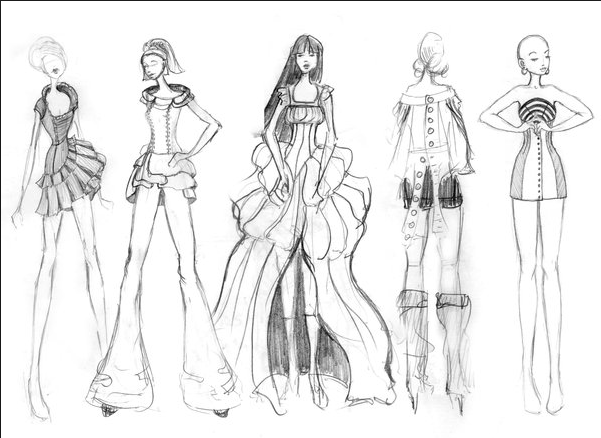
Fashion sketching refers to the quick, often rough drawings that serve as the first step in the design process. These are typically technical sketches that showcase the basic shape, cut, and construction of a garment.
The focus in fashion sketching is often on:
- Silhouette and proportion
- Style lines and garment details
- Fit and fabric drape
Sketches help designers translate an abstract concept or inspiration into a concrete visual plan. It’s the fashion equivalent of an architect’s blueprint — a practical, efficient way to plan a design.
Key Features of Fashion Sketching:
- Usually done in black and white or with minimal color
- Emphasizes garment structure and function
- Often includes technical notes or construction details
These sketches are important for communication within a design team, especially between designers, patternmakers, and manufacturers.
- What Is Fashion Illustration?
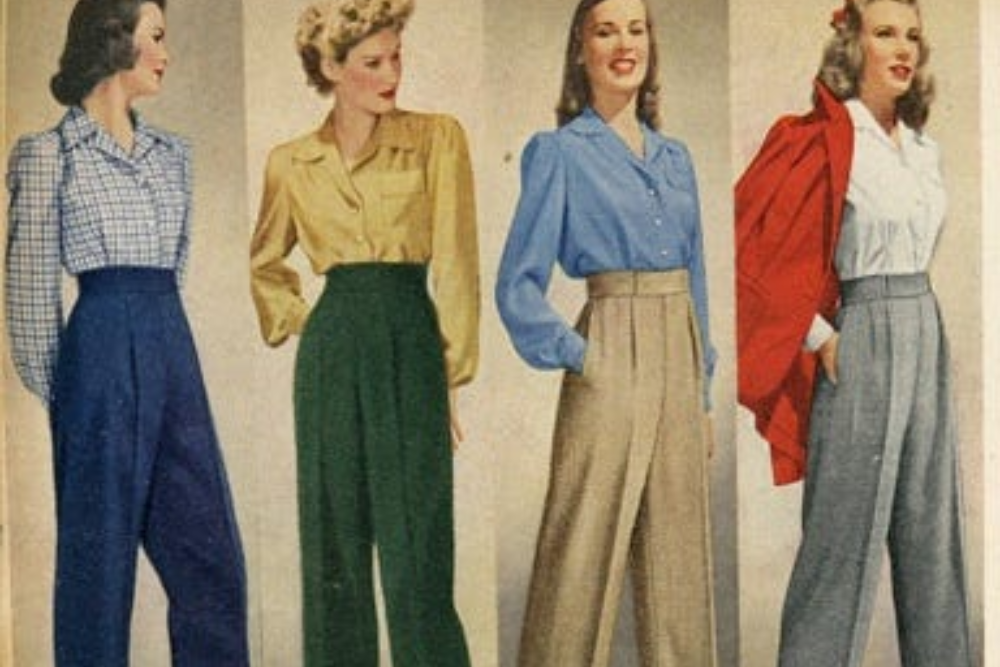
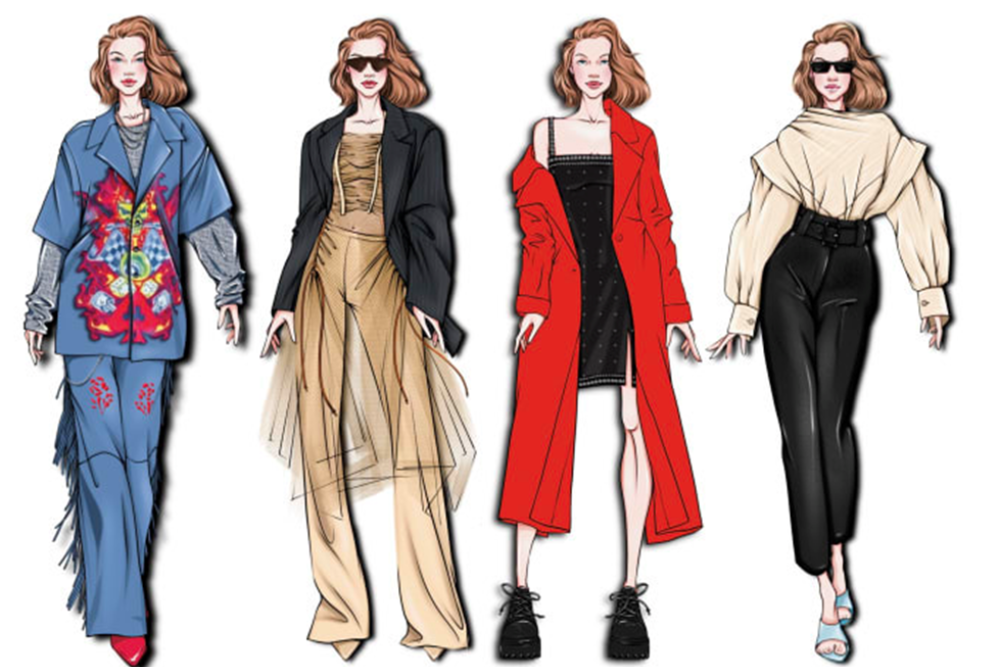
While fashion sketching leans toward technical clarity, fashion illustration is all about artistry and emotion. Illustrations are expressive, stylized renderings of garments designed to evoke mood, fantasy, and movement. They capture the designer’s vision, inspiration, and personality in a more artistic and abstract form.
Fashion illustrations are often used for:
- Promotional materials
- Portfolio presentations
- Editorials and fashion campaigns
- Conveying mood boards and design narratives
Characteristics of Fashion Illustration:
- Often includes dramatic poses, facial expressions, and flow
- Use of vivid colors, mixed media, or digital painting
- Focuses on storytelling, not necessarily accuracy
Artists like David Downton, Megan Hess, and Antonio Lopez elevated fashion illustration to an art form, creating illustrations that have become iconic on their own.
- The Purpose and Importance of Sketching in Fashion
Sketching is more than a creative outlet — it’s a functional tool used throughout the fashion design process. Whether sketching on a napkin in a moment of inspiration or preparing detailed designs for a presentation, sketching helps a designer:
- Visualize ideas: From initial thoughts to full collections, sketching helps make intangible ideas tangible.
- Refine concepts: Drawing out variations helps a designer choose what works and what doesn’t.
- Communicate clearly: A sketch can explain what words cannot, especially across languages and departments.
- Experiment freely: It allows risk-free creativity before investing in materials or production.
In fashion schools and design studios alike, sketching is a fundamental skill that bridges creativity with commercial application.
- Basic Elements of a Fashion Sketch
Creating a compelling fashion sketch requires a solid understanding of anatomy and style, even if the figure (also known as a croquis) is stylized.
Key Elements Include:
- The Croquis (Fashion Figure)
- Typically elongated, around 9 heads tall (as opposed to the natural human body’s 7-8 heads)
- Exaggerated proportions help emphasize clothing and elegance
- Poses often reflect the mood of the garment — dynamic, relaxed, structured, etc.
- Garment Representation
- Outline the shape and flow of garments on the croquis
- Indicate darts, seams, hems, and drapes
- Understand how different fabrics behave and reflect that in the sketch (e.g., soft fabrics flow, stiff fabrics maintain form)
- Color and Texture
- Use color strategically to show tone, patterns, or accents
- Add texture through shading, layering, or hatching to indicate material types (e.g., denim, chiffon, velvet)
- Accessories and Styling
- Illustrate shoes, bags, jewelry, and hairstyles to complete the look
- These details help express the full concept and styling of the design
- Tools and Materials for Fashion Sketching and Illustration
Whether traditional or digital, fashion illustration can be done with a wide range of materials. Here are the essentials for both:
Traditional Tools:
- Sketchbooks: Quality paper that can handle various media
- Pencils and erasers: For outlines and shading
- Fine liners and markers: For adding depth and contrast
- Watercolors and colored pencils: Commonly used for rendering fabrics and color palettes
- Brush pens and pastels: Add texture and soft finishes
Digital Tools:
- Graphic tablets (Wacom, iPad with Procreate, etc.)
- Software like Adobe Illustrator, Photoshop, and CorelDRAW
- Fashion-specific programs like CLO 3D, Sketch, and Fashionary
Digital tools allow for quicker revisions, more realistic rendering, and integration into modern workflows like CAD (Computer-Aided Design).
- Techniques and Styles in Fashion Illustration
Over the years, different styles of illustration have emerged — each suited for different purposes and audiences. Here are some popular techniques:
- Realistic Illustration
- Focuses on accurate proportions and garment rendering
- Ideal for technical portfolios and product development
- Stylized or Expressive Illustration
- Exaggerated features, dramatic gestures, and playful proportions
- Emphasizes the emotional feel or vibe of a collection
- Popular in editorials or marketing visuals
- Flat Sketches (Technical Drawings)
- Also called flats, these are two-dimensional line drawings
- Used for tech packs, showing every seam, stitch, and functional element
- They help manufacturers produce garments accurately
- Digital 3D Sketching
- Using software like CLO 3D or Marvelous Designer, fashion illustrations can be rendered in 3D
- These illustrations are often interactive, allowing rotation and realistic simulation of fabric behavior
- Fashion Illustration in the Digital Age
Fashion illustration has evolved tremendously with the rise of technology. Digital fashion sketching is not just a trend — it’s fast becoming the norm. Modern designers and illustrators use digital tools for better efficiency, collaboration, and precision.
Benefits of Digital Illustration:
- Easy editing and corrections
- Faster workflows (especially with templates and layers)
- Integration with production systems
- Realistic simulations of fabric, light, and movement
- Global collaboration with teams across countries
Digital illustration has also democratized fashion — independent designers can create professional-quality presentations from their own homes using just a tablet and software.
- Tips for Improving Fashion Sketching Skills
Whether you’re just starting out or refining your craft, improving your sketching and illustration takes practice and dedication.
Tips:
- Study anatomy and posture: Even stylized figures benefit from a basic understanding of body structure.
- Practice regularly: The more you sketch, the more confident your lines and ideas will become.
- Observe clothing in real life: Notice how fabric drapes, creases, and stretches across the body.
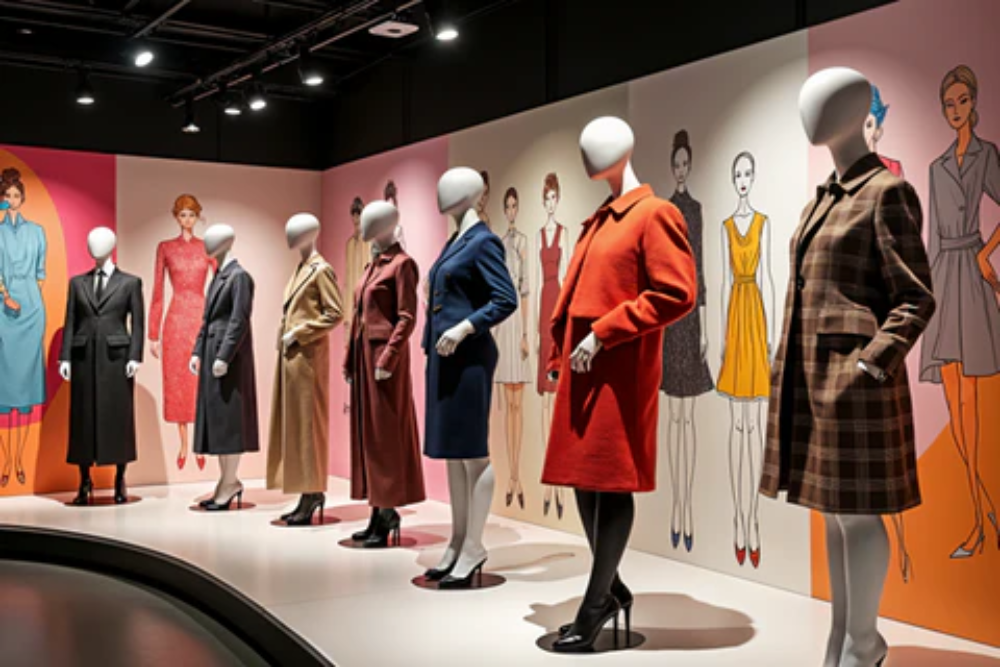
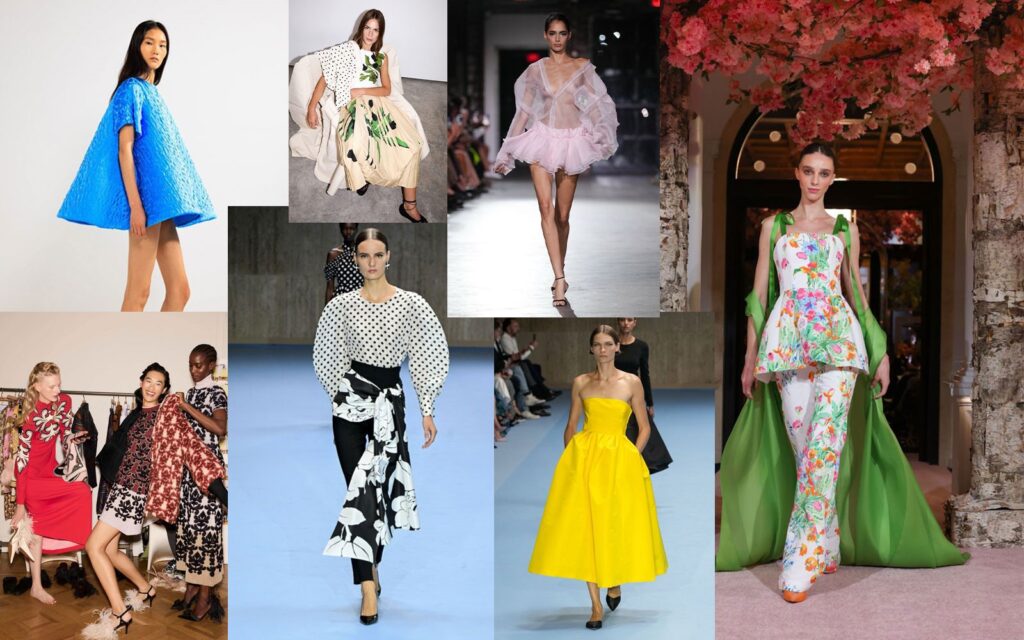
- Use reference materials: Look at runway shows, editorials, and classic illustrations for inspiration.
- Experiment with media: Try new tools, papers, and digital brushes to develop your own signature style.
- Famous Fashion Illustrators and Their Influence
Several iconic illustrators have left a significant mark on the industry. Learning about their work can be both educational and inspiring:
- David Downton: Known for his glamorous illustrations of haute couture.
- Antonio Lopez: Celebrated for capturing the essence of 70s and 80s fashion with energy and edge.
- Megan Hess: Blends elegance with modern fashion, often illustrating designer brands and luxury lifestyles.
- Hayden Williams: Known for bold, stylized illustrations of modern-day celebrities and fictional fashionistas.
Their work continues to inspire both aspiring and professional designers alike.