Introduction
In today’s rapidly evolving fashion world, staying on top of trends can feel like navigating a whirlwind. With social media, influencer marketing, and ever-shortening trend cycles, new styles emerge and disappear at breakneck speed. Amid this fast-paced environment, two terms have gained prominence in the world of trend forecasting: core trends and micro trends.
While both shape what we wear and how we express ourselves, they differ greatly in their longevity, cultural influence, adoption rate, and origin. Understanding the distinction between core and micro trends can help fashion lovers, consumers, brands, and marketers make smarter decisions in both style and sustainability.
Let’s dive into the key differences between core trends and micro trends, how they emerge, who drives them, and their impact on the fashion industry and beyond.
What Are Core Trends?
Core trends are long-term, influential movements that significantly shape the fashion landscape over several seasons—or even years. They are typically rooted in deeper cultural, technological, or social shifts and influence not just fashion, but lifestyle, media, and identity.
Characteristics of Core Trends:
- Longevity: Lasts multiple years or becomes a staple.
- Cultural Relevance: Tied to broader societal or generational changes.
- Wide Adoption: Gradually adopted by mass audiences across demographics.
- Design Integration: Often influence entire collections or brand identities.
Examples of Core Trends:
- Sustainability in Fashion – The growing demand for eco-conscious materials, ethical production, and slow fashion has reshaped how brands design and produce clothing.
- Gender Fluid Fashion – Challenging traditional gender norms, this trend reflects shifts in societal acceptance of identity and expression.
- Athleisure – A fusion of athletic and casual wear, driven by a wellness-focused lifestyle and embraced across generations.
- Minimalism – Fueled by the “less is more” ethos, it continues to influence design, shopping behavior, and styling.
Why Core Trends Matter:
Core trends are the bedrock of fashion development. They impact consumer behavior, brand strategy, product development, and even retail design. Their strength lies in their relevance to real-world values, which is why they last longer and are often more meaningful.
What Are Micro Trends?
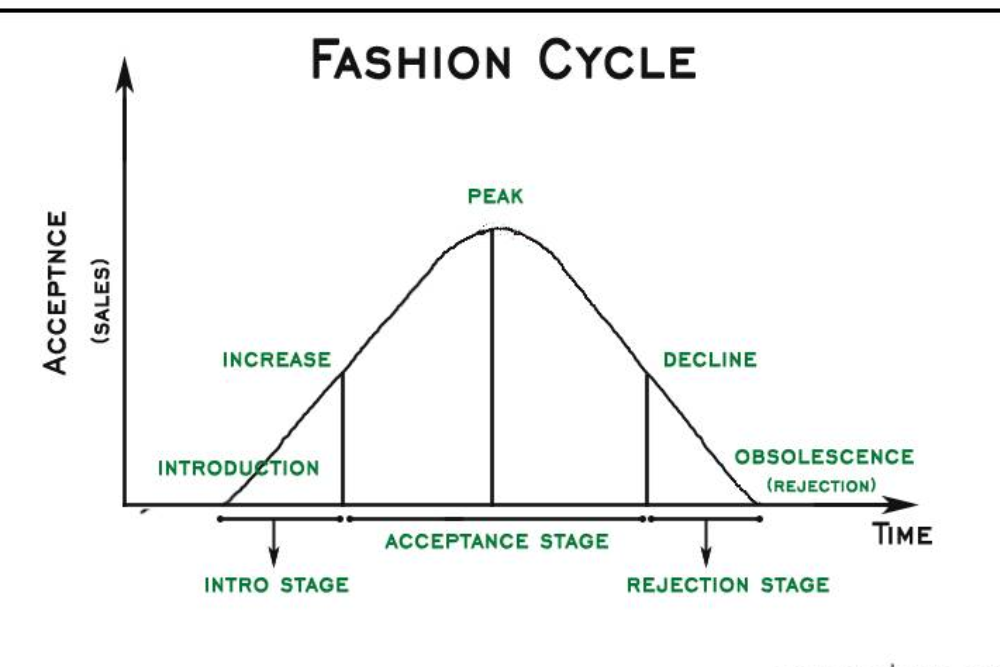
Micro trends, on the other hand, are short-lived fashion movements that often go viral through social media. They emerge quickly, gain popularity for a brief moment, and then disappear—often replaced by the next trending item or aesthetic.
Characteristics of Micro Trends:
- Short Lifespan: Lasts weeks or months.
- Trend Cycles: Driven by social media platforms like TikTok, Instagram, or Pinterest.
- Fast Adoption: Quickly spreads through influencers, memes, or fashion hauls.
- Product Specific: Often centered around a single piece or look.
Examples of Micro Trends:
- Strawberry Dress – A pink, puffy dress by Lirika Matoshi that went viral in 2020.
- Coconut Girl Aesthetic – A summer look dominated by hibiscus prints, shell necklaces, and Y2K beachwear.
- Balletcore – A brief obsession with ballet-inspired outfits, from wrap tops to leg warmers.
- Crochet Everything – A boom in crocheted tops, skirts, and bags influenced by a DIY trend on TikTok.
Why Micro Trends Matter:
Though fleeting, micro trends shape consumer culture and generate huge buzz in a short period. They’re driven by the need for novelty, visual appeal, and social engagement. While they encourage creativity and individuality, they can also lead to overconsumption and waste, especially in the fast fashion market.
Origins and Drivers
Core Trend Drivers:
- Cultural Movements: Climate awareness, feminism, gender identity, etc.
- Global Events: Pandemics, economic shifts, political changes.
- Technological Innovations: Digital fashion, AI in design, wearable tech.
- Designers & Think Tanks: Long-term forecasting by experts, brands, and research groups.
Micro Trend Drivers:
- Social Media Algorithms: Platforms push new content based on engagement.
- Influencers & Celebrities: A single video or outfit can ignite a new craze.
- Memes & Aesthetics: Quick, visual formats that appeal to niche communities.
- Fashion Hauls: Especially from fast fashion giants like Shein, Zara, and H&M.
How They Affect Consumer Behavior
Core Trends:
- Encourage conscious consumption and long-term wardrobe planning.
- Lead to brand loyalty and emotional connection with clothing.
- Influence deeper lifestyle shifts, like choosing vegan materials or investing in timeless pieces.
Micro Trends:
- Encourage impulse buying to stay relevant online.
- Prioritize quantity over quality, often tied to cheaper items.
- Create pressure to constantly update one’s wardrobe for social approval.
Role in the Fashion Industry
For Designers:
- Core trends influence entire collections and design philosophy.
- Micro trends may inspire one-off pieces or accessories to capture momentary buzz.
For Brands:
- Core trends help shape brand identity, values, and marketing strategies.
- Micro trends serve as limited-time opportunities to drive quick sales or social media engagement.
For Retailers:
- Core trends result in evergreen products and consistent themes.
- Micro trends require agile supply chains and fast inventory turnover.
Sustainability and Ethical Considerations
Core Trends:
Core trends often support sustainability by promoting long-term investment in fashion. Consumers are encouraged to buy less, choose better, and value quality over quantity. Brands aligning with core trends are more likely to adopt ethical practices, promote circular fashion, and contribute to positive change.
Micro Trends:
While fun and exciting, micro trends often result in fashion waste, unsold inventory, and unethical production. Because they come and go so quickly, they promote disposable fashion and contribute to landfills. Many micro trends are fueled by ultra-fast fashion brands that rely on exploitative labor and cheap materials to churn out trendy items.
The Rise of Trend Fatigue
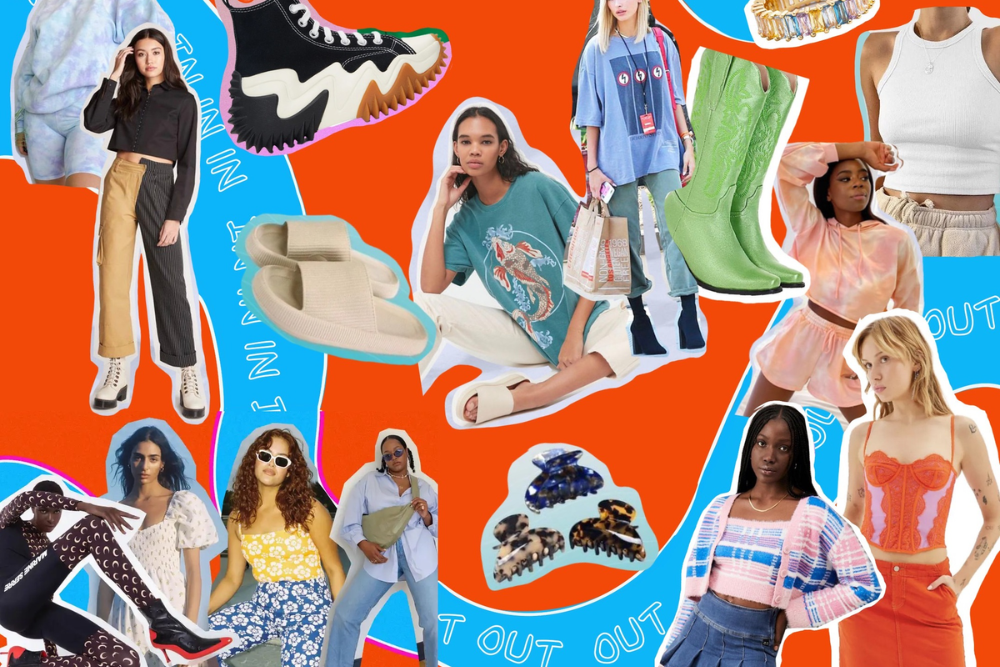
With the rise of micro trends and social media pressure to constantly showcase new looks, many consumers are experiencing trend fatigue. The constant cycle of “in today, out tomorrow” can lead to style confusion, shopping burnout, and anxiety over fashion relevance.
This fatigue is pushing some fashion lovers back toward core trends, capsule wardrobes, and classic staples that transcend fleeting moments. It also highlights the need for more sustainable and intentional consumption.
Core vs. Micro Trends: A Quick Comparison
| Aspect | Core Trends | Micro Trends |
| Lifespan | Years or more | Weeks to a few months |
| Influence Source | Culture, society, technology | Social media, influencers, memes |
| Consumer Impact | Conscious, long-term choices | Impulsive, short-term buying |
| Sustainability | Encourages ethical fashion | Often leads to waste |
| Design Role | Shapes full collections and concepts | Inspires quick product releases |
| Popularity Growth | Gradual and steady | Explosive and viral |
| Style Depth | Reflects identity and values | Focuses on aesthetics and novelty |
Can Micro Trends Become Core Trends?
Yes, some micro trends can evolve into core trends if they resonate deeply and sustain popularity. For example, the rise of Y2K fashion started as a micro trend on TikTok but has now influenced entire seasonal collections, indicating a broader nostalgia-driven core trend. Similarly, the surge in DIY fashion and upcycling, initially niche, is becoming a long-term sustainable movement.
Final Thoughts
Both core and micro trends play crucial roles in the dynamic world of fashion. Core trends offer depth, longevity, and cultural relevance, helping to define eras and drive meaningful change. Micro trends, while fleeting, bring energy, experimentation, and creative expression to the forefront—especially among younger audiences.
For consumers and brands alike, the key lies in understanding the difference, embracing creativity without compromising values, and finding a personal style that balances trendiness with timeless appeal.